

I was in a bookstore yesterday, buying things I probably don't need, the way you do when the afternoon is yours and nobody is watching what you spend.
In the same aisle, a young woman with two children.
Younger than me. She was letting her kids pick out school notebooks and they were so excited it made my heart do a backflip. The kind of excited that only lives in children over small things. A new notebook. A fresh unwritten page. Something of their own that nobody has touched yet.
They were holding them so carefully, like something that might be taken away if they weren't careful enough. Showing each other. Whispering, smelling the fresh pages. That specific private joy of children who don't get new things often and understand, without anyone telling them, that this one matters.
I stood there watching them and felt something warm and uncomplicated.
That feeling did not last long.
We reached the register at the same time. She went first.
The bill came to six pounds.
She turned to her husband.
He looked at the number and something shifted in his face and then he was yelling. Right there. In front of the children. In front of strangers who suddenly found somewhere else to look. Where did the money I gave you go. Loud enough that the whole shop went quiet around it.
She answered softly, tears already forming before a single one had fallen, her voice steady in the way voices go steady when they have learned that anything else makes it worse. I spent it on food for the children.
She had fed her children.
That was her crime.
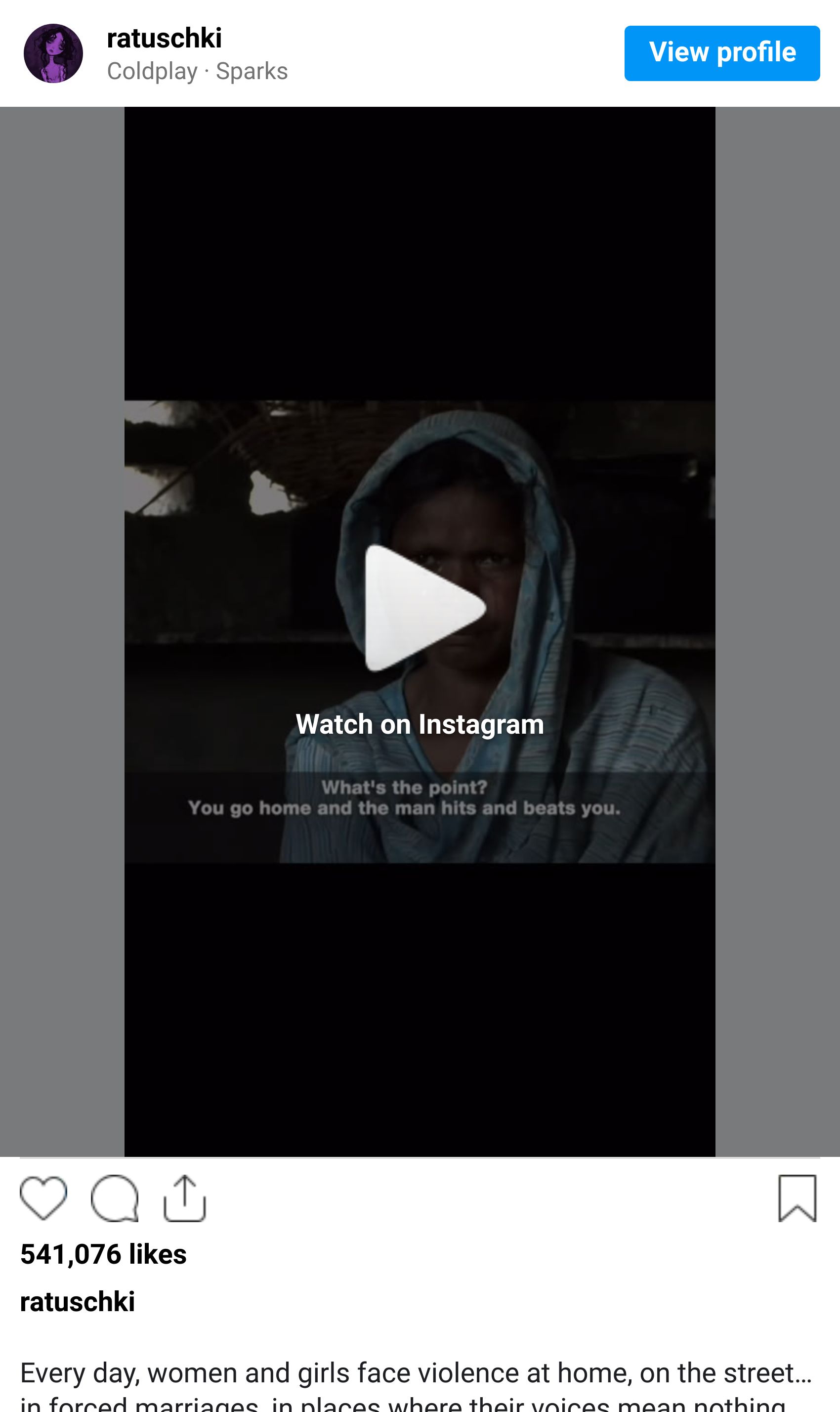
He refused to pay. Took her by the arm. Not gently.
Pulled her toward the door and she went because she had to and the children followed because the children always follow and the notebooks stayed on the counter exactly where they had been placed by two pairs of small careful hands that had no idea yet that this was how the afternoon was going to end.
The excitement on those children's faces.
I keep seeing it leave.
Then I walked up to the register.
Nobody yelled at me.
I paid. I left. The whole transaction took forty seconds and cost me nothing except money and I have not been able to stop thinking about those children's faces since.
That silence. That is what financial dependence does.
Not just to women. To children who watch it happen. Who learn, in bookstores and kitchens and in the quiet after a door slams, exactly what their mother is worth in this house.
Who absorb it the way children absorb everything, completely and permanently, and carry it into the people they become.
The cycle does not start with the daughter being married young to a man who controls her. It starts here. In a bookstore. Over six pounds. With two children going quiet.
In Bangladesh, Afghanistan, Pakistan, Malawi, and beyond, we give women small businesses.
Not handouts. Not charity. A way to earn in their own name, with their own hands, answerable to nobody. Something that cannot be taken away in a yelling match or a hand on an arm or a refusal at a register.
A small business is not a small thing for a woman who has never had one.
It is the first morning the day belongs to her. The first time she feeds her children without accounting for every penny. The first time she looks at her daughter and thinks I will not have to sell your future because I cannot afford to keep you. Because I have something of my own. Because I earned this. Because I am not asking anyone's permission anymore.
That is what your donation does today.
It is not charity.
It is a woman walking up to a register.
Paying.
And leaving.
With her children.
And their notebooks.
And nobody's hand on her arm.
For every woman who just needed six pounds,
Hafsa
